A traditional Kerala Neyyappam is a rich, deep-fried rice fritter. A single piece (~50g) contains roughly 210 calories, predominantly offering quick-release energy alongside beneficial iron and antioxidants from jaggery and coconut.
Egg bonda provides a quick hit of muscle-building protein, brain-boosting choline, and bone-strengthening vitamin D from the hard-boiled egg. However, because it is deep-fried in batter, each piece averages about 130–165 calories, bringing higher fat and carb content from the gram flour coating.
A standard Dal Masala Vada (approx. 90-130 kcal per piece) packs excellent nutrition. The primary ingredient, chana dal (split chickpeas), provides vital plant-based protein and dietary fiber. Additionally, spices like ginger, cumin, and fennel aid digestion, while the onions and fresh herbs offer antioxidants.
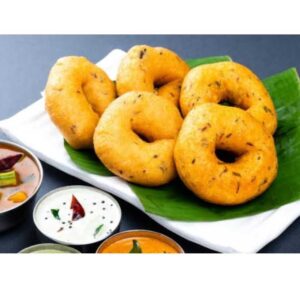
Medu vada provides significant health benefits primarily due to its core ingredient, urad dal (black gram), and the traditional fermentation process used to prepare the batter. While it is a deep-fried snack that should be consumed in moderation, its rich nutritional profile offers several distinct physiological advantages.
Aloo Bonda provides an instant boost of energy, a good dose of plant-based protein from gram flour, and essential minerals like potassium. While it is a fried comfort food that should be eaten in moderation, the individual ingredients used to make it offer several notable health benefits.
Vegetable spring rolls offer excellent health benefits primarily due to their dense mix of vitamin-rich vegetables, antioxidant properties, and high dietary fiber content. However, the final nutritional value heavily depends on whether they are prepared fresh (raw/steamed in rice paper wrappers).
Plantain Bajji (Vazhakkai Bajji) offers essential vitamins, minerals, and gut-friendly starch, but its deep-fried nature makes it a high-calorie treat that should be eaten in moderation. While the raw plantain itself is highly nutritious, the deep-frying process adds significant fats and calories.
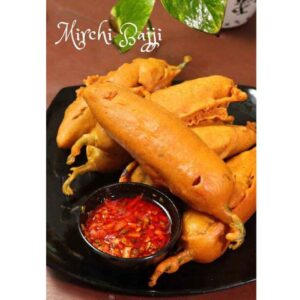
Mirchi Bajji provides unique health benefits primarily derived from its main ingredients, green bajji chillies and chickpea flour (besan), which offer high amounts of Vitamin C, plant protein, and metabolism-boosting capsaicin. However, because it is traditionally deep-fried, its overall nutritional value depends heavily on how it is prepared.
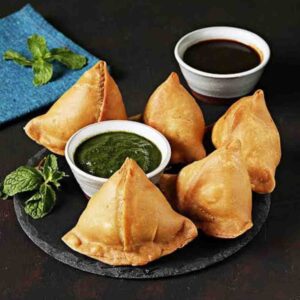
Fresh Samosas offer a comforting blend of warm spices, carbohydrates, and proteins that provide an immediate energy boost and several digestive benefits when enjoyed in moderation. While typically deep-fried, a freshly made samosa uses wholesome, unrefined ingredients like potatoes, peas, and whole spices that carry distinct nutritional advantages.
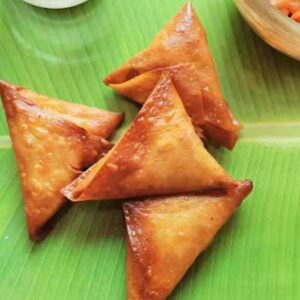
Onion samosas provide limited nutritional value through the antioxidant and anti-inflammatory properties of onions and digestive spices, but they are primarily high-calorie, deep-fried snacks.